How to Make Limoncello at Home (Traditional Italian Recipe)
I promise you with all my heart that this is not a recipe that is gate kept within the Italian community. Just as much as I promise that no single Limoncello ever tastes the same family to family. Trust me, I’ve become almost like a resident expert here (imagine I wink at you now, please)!
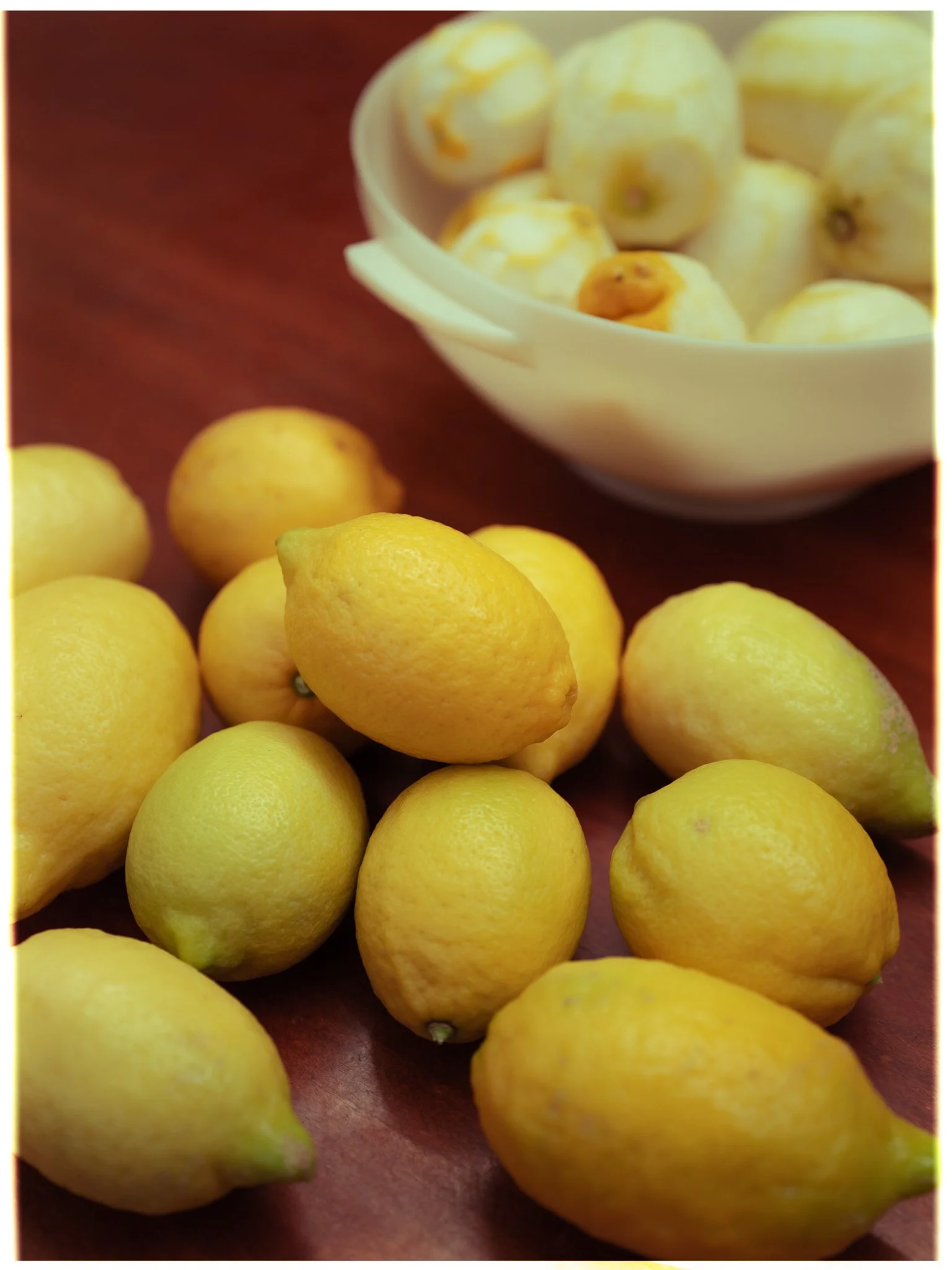
Ingredients: 15 ish unwaxed lemons (the best, preferably organic or even home grown), 1 litre pure alcohol (95% or high-proof grain alcohol, if that’s what’s available where you live), 900 ml water, 900 g sugar (a 1 litre jar is handy, a pan and some bottles for later).
Time to make: over 40 days (absolutely not a typo)
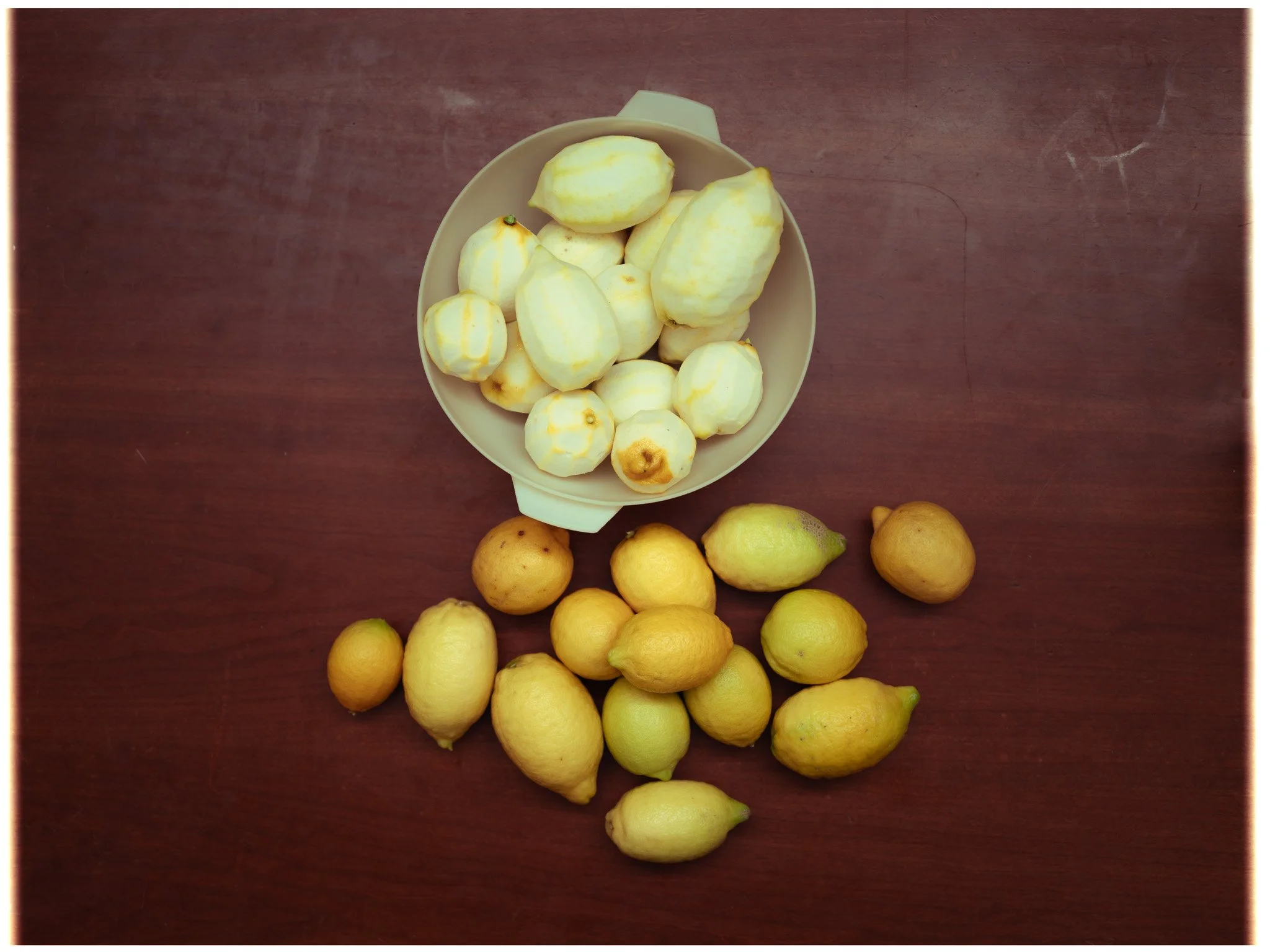
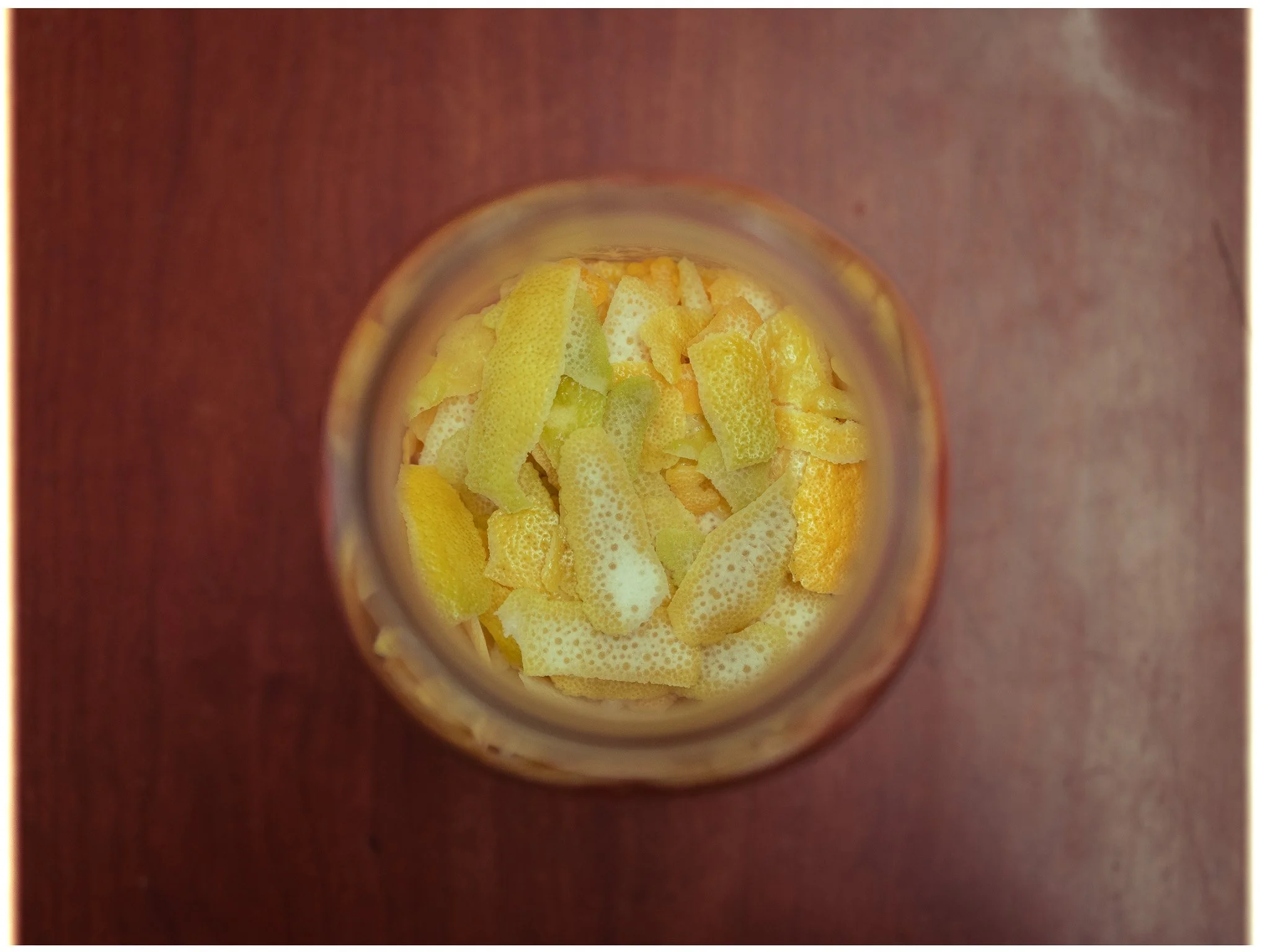
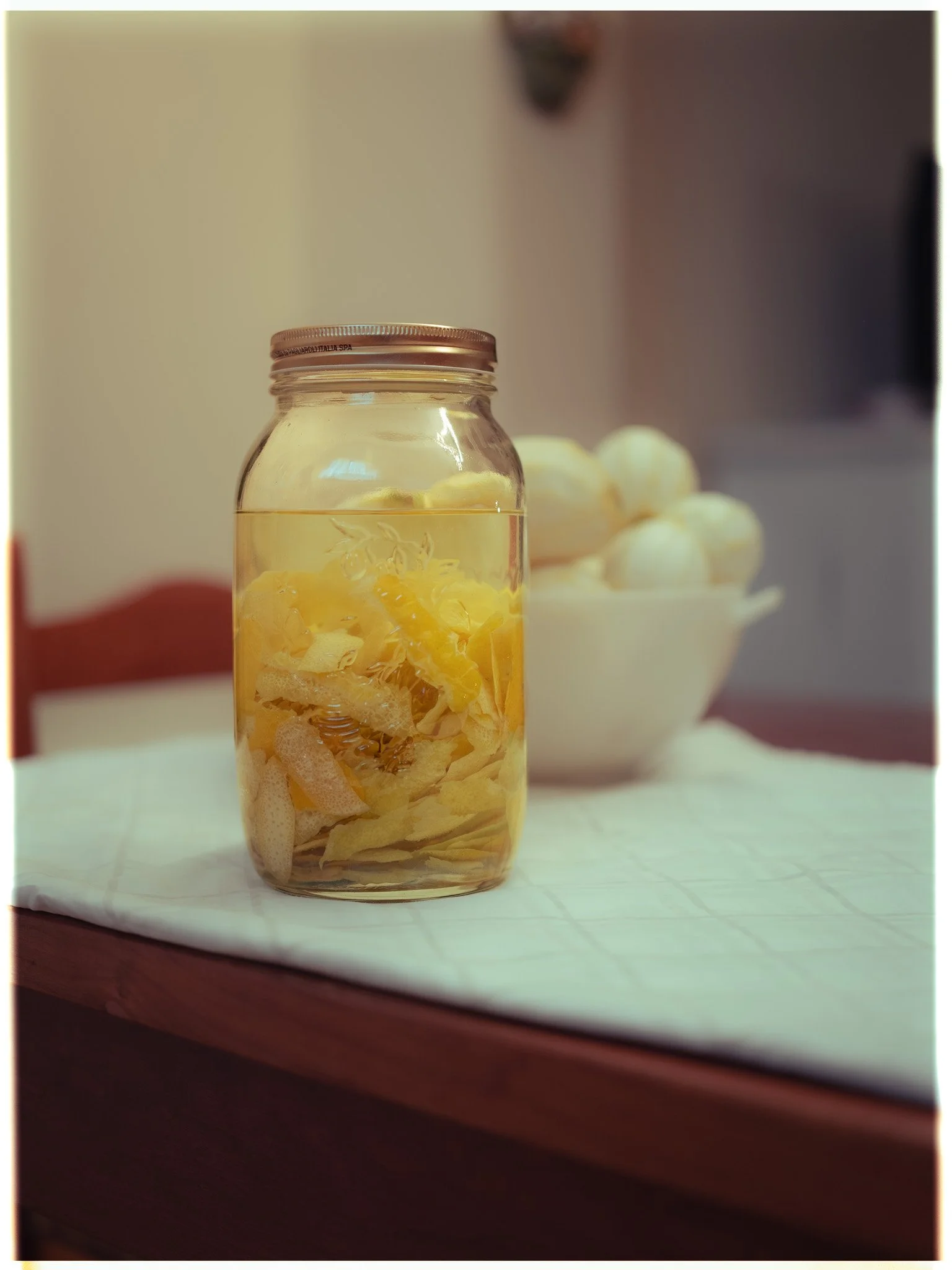
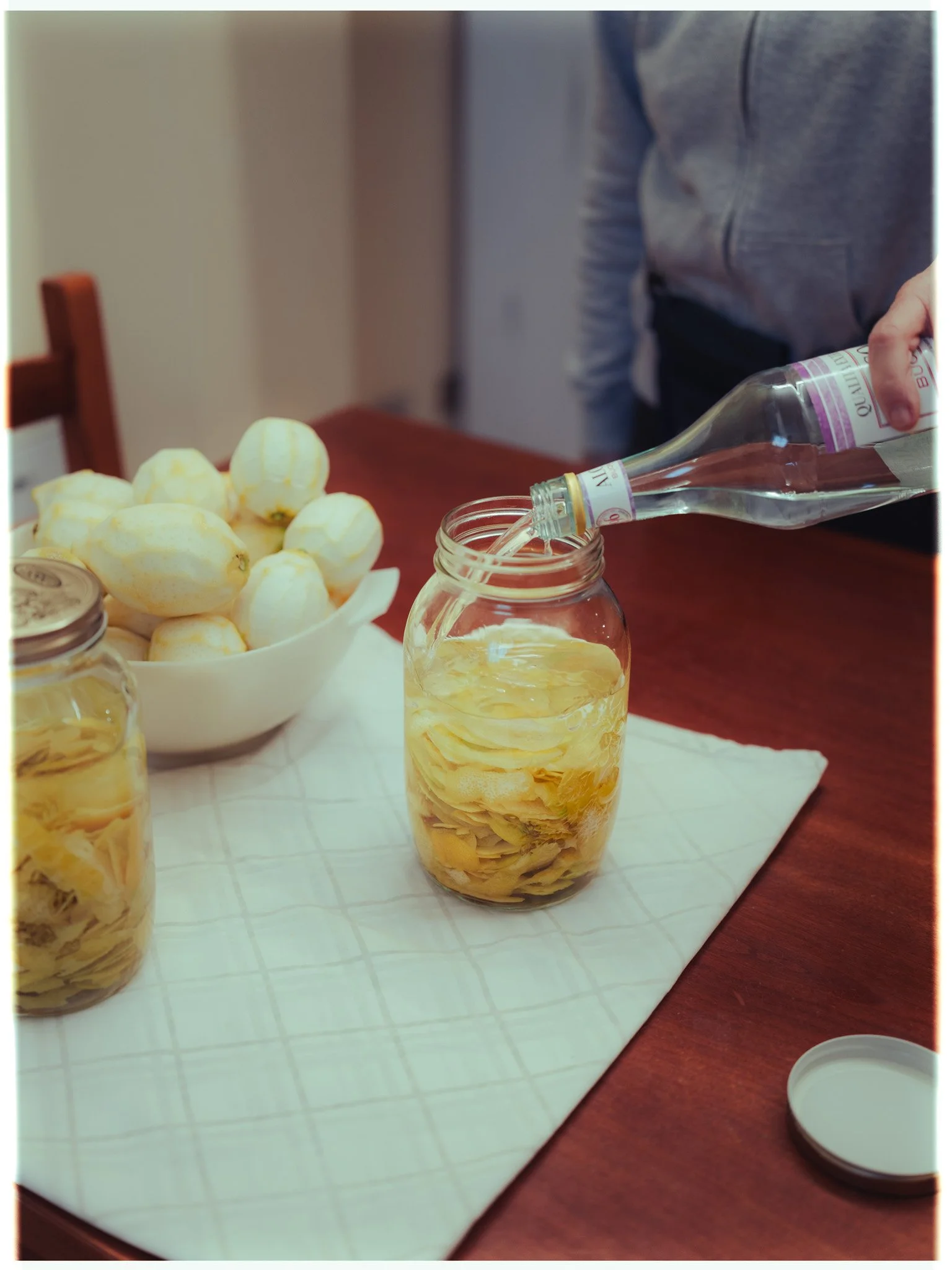
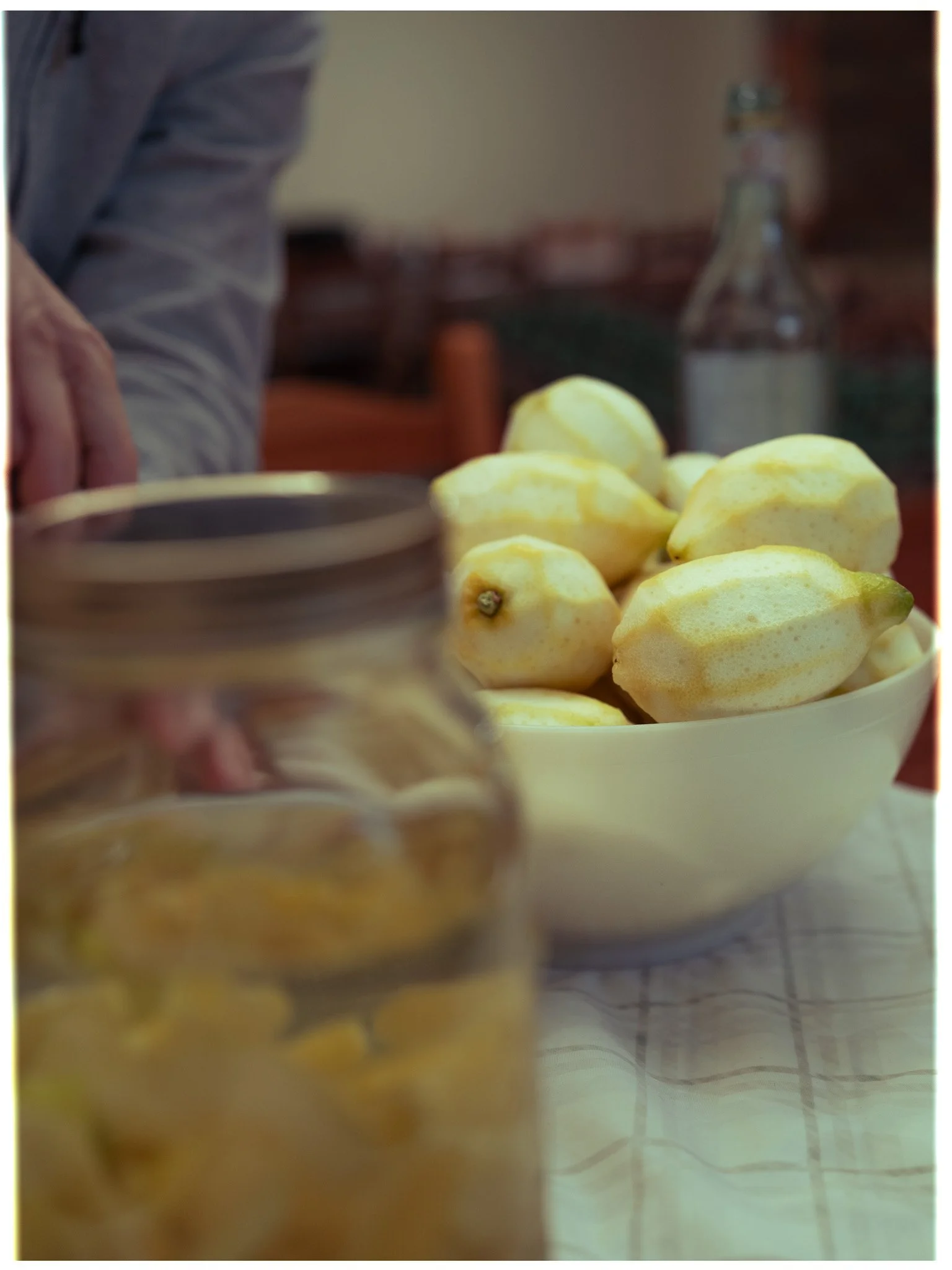
The internet might have you believe that you can get away with fewer lemons, but it is simply not the case and neither is being able to skimp on the quality. Right here from the start is where it can all go wrong, if the lemons are not up to scratch. You peel the skin of all the lemons, put the skins in a jar and cover with alcohol. Leave closed to infuse for 40 days. Indeed, authentic Limoncello recipe requires the full essence of Il Dolce Far Niente - slow living and preparing well ahead of any festivities. While you’re waiting, the peeled lemons can be cut up (or juiced) and frozen, and can be used for teas, summer drinks or cooking. When the agonising wait is over, boil the water and dissolve the sugar. Once the water becomes clear again, switch off and allow the mixture to cool. Once cooled, take the jar of peels and alcohol, and pour into the sugary water, through a muslin or cotton cloth, if at all possible, it helps remove any impurities. Once mixed well, dispense into your storage bottles. Leave for another week to emulsify. When that week is finally over, put your Limoncello in the freezer and once it reaches that desired coolness, it is ready to consume.
This recipe, I am told, originates from a 1970s home making magazine, once sold door to door. It has been tried and tested every year since. And that, I think, is bellissimo!
Now it must be said, that in Italy, despite the growing disparity between wages and cost of living, it is still possible to make things by hand cheaper than buying pre-made. But the cost, of course, is space, time, equipment, knowing a friend who might perhaps grow their own lemons and have an abundance of them. These things are becoming more scare by the day. In England, for example, it would 100% be more cost effective to go to a store and buy your own. But from this year, I feel a huge shift. It is really truly more about preserving a way of life, a beautiful culture, connection, learning a new skill and being intentional. And not just because this will absolutely be more delicious than anything you’ve ever tried!
So here is my (second ever) go at making this recipe documented: